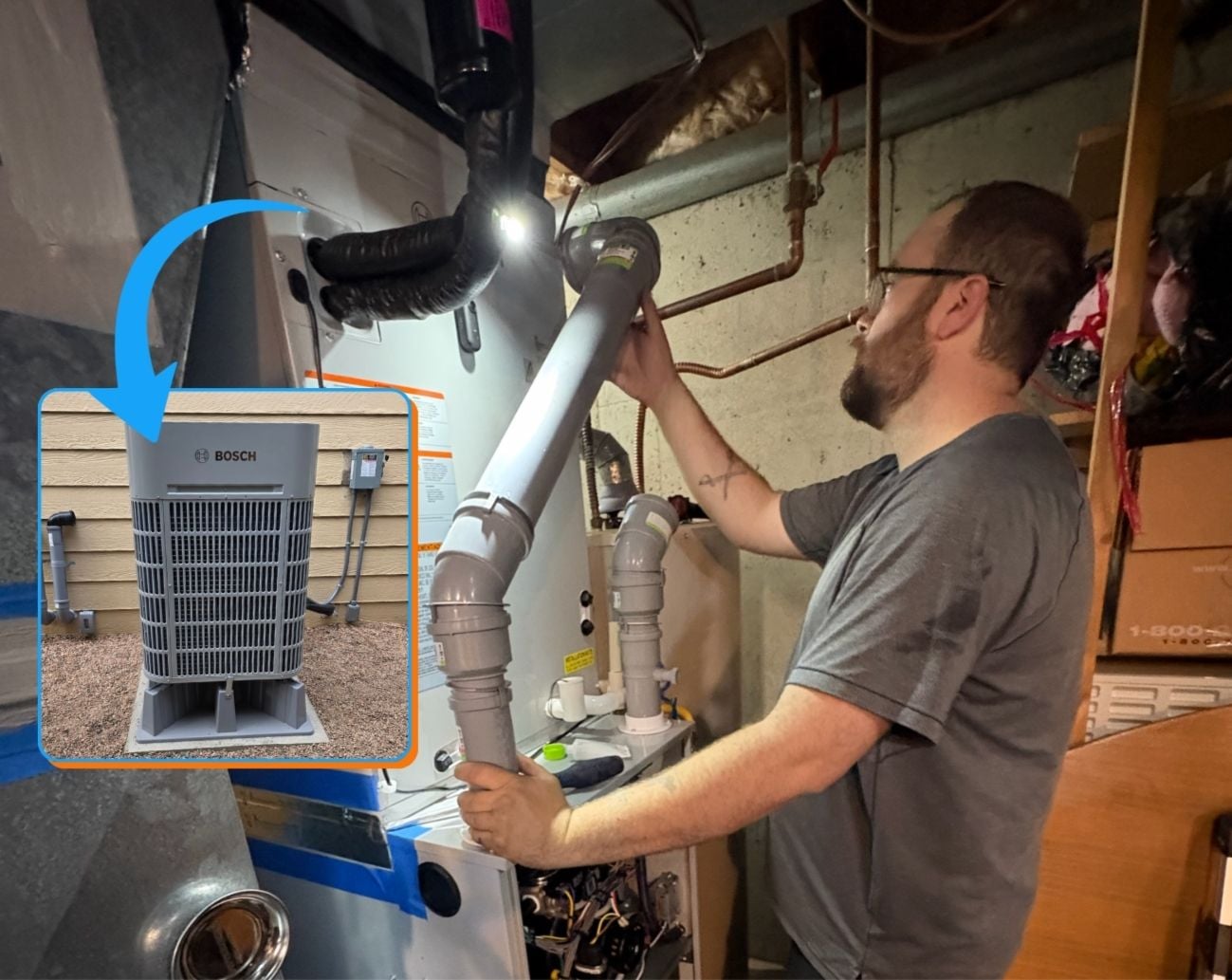
We understand that trusting a contractor to come into your home isn’t always easy. It’s an intimate experience and you want someone you can trust. But for us, rather than expect you to trust us, we’d rather show you the numbers. And David was certainly someone who put that to the test.
David used to work in Xcel Energy’s billing department. In fact, he had a hand in implementing the very peak-hour rate schedule Denver runs on today. As Tom (our in-home energy auditor and designer) said, “the man knows how to squeeze every drop of efficiency out of a kilowatt-hour.”
So when someone with that background is looking for a heat pump installer he can trust, we knew we had to do more than sell him, we needed to bring the data. And we believe that’s exactly why he chose us. We did what he was looking for and that was to deliver forecasts and performance data.
The Home
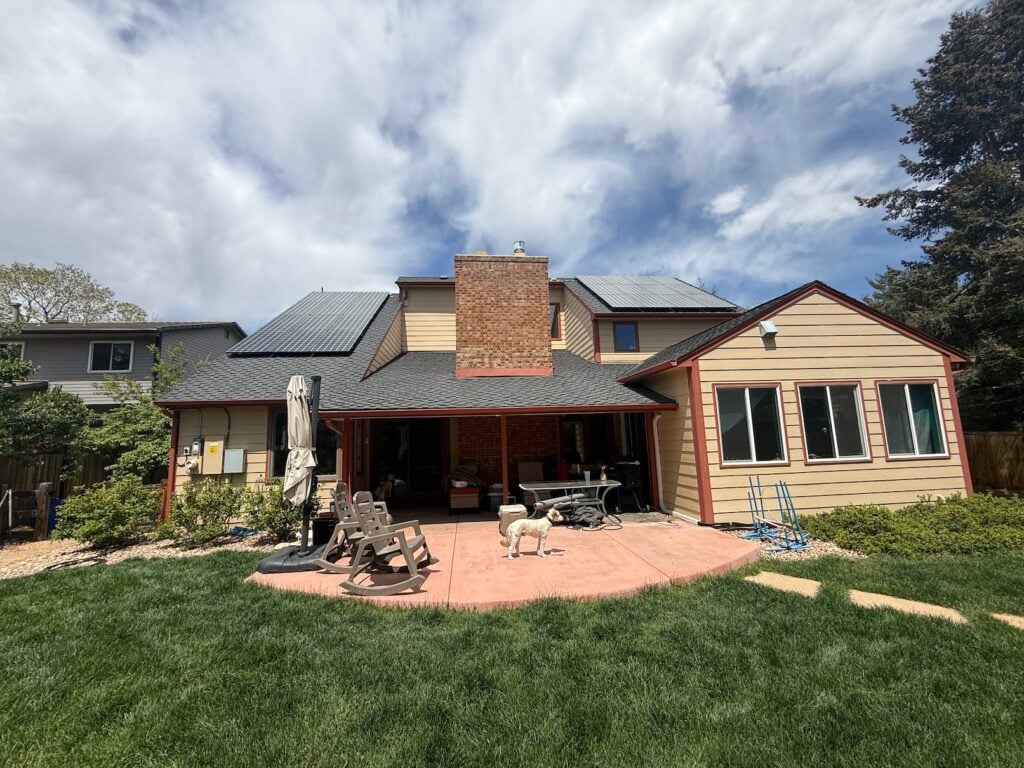
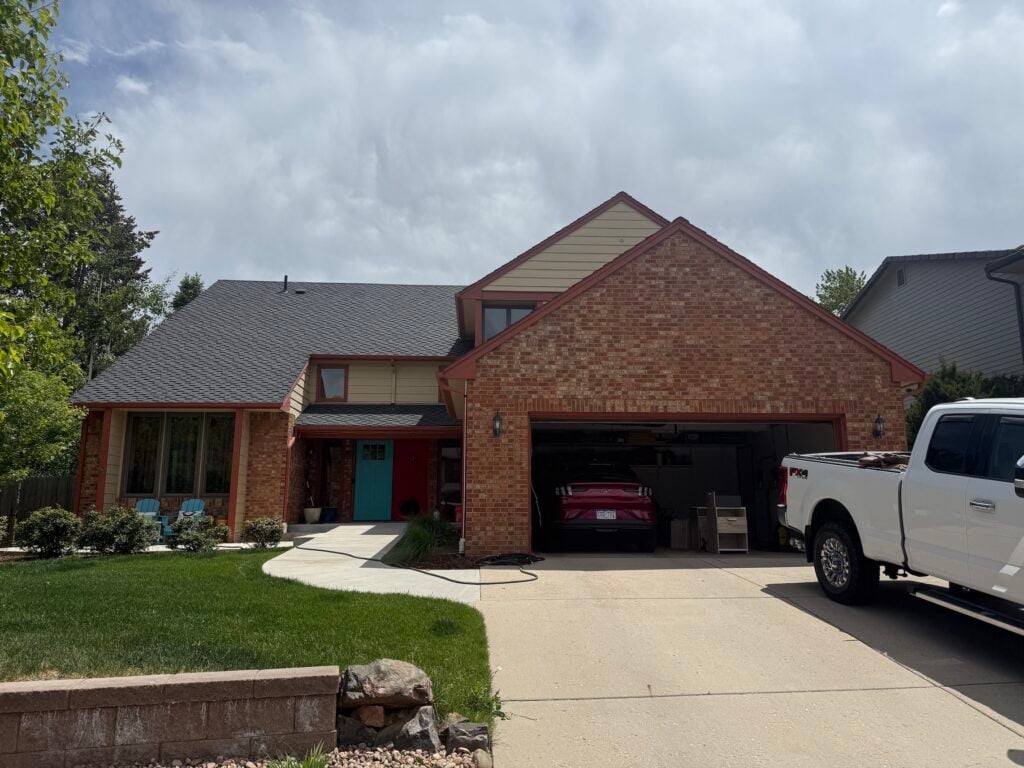
David’s home in Lakewood is a big one a little bit more than 3,000 square feet and built in the late 90s. It even had an existing heat pump serving an indoor pool room, which of course made us happy to see. David gets it.
His goal was aligned with something we love to see: going all electric. He’d already invested in a full solar system with battery backup, and he wanted his home to run with even more efficiency. So our goal was to make that dream come true, but first, we had a few real engineering hurdles to clear.
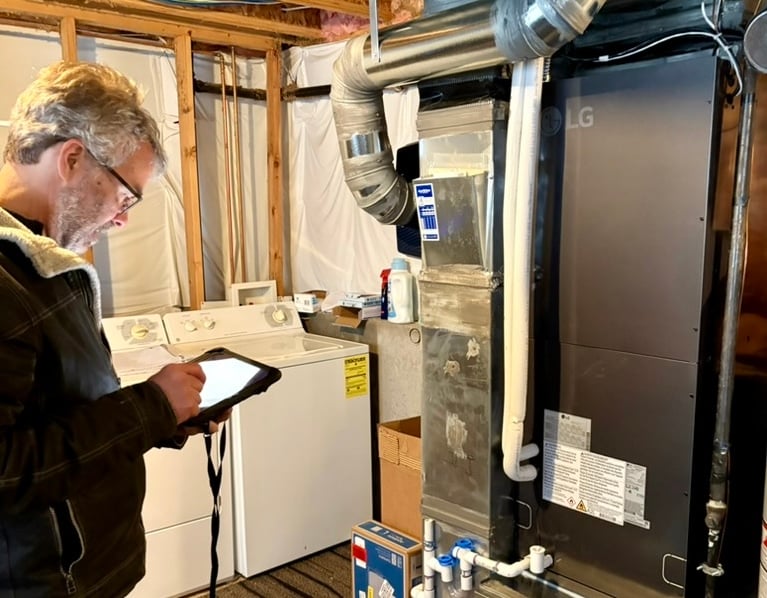
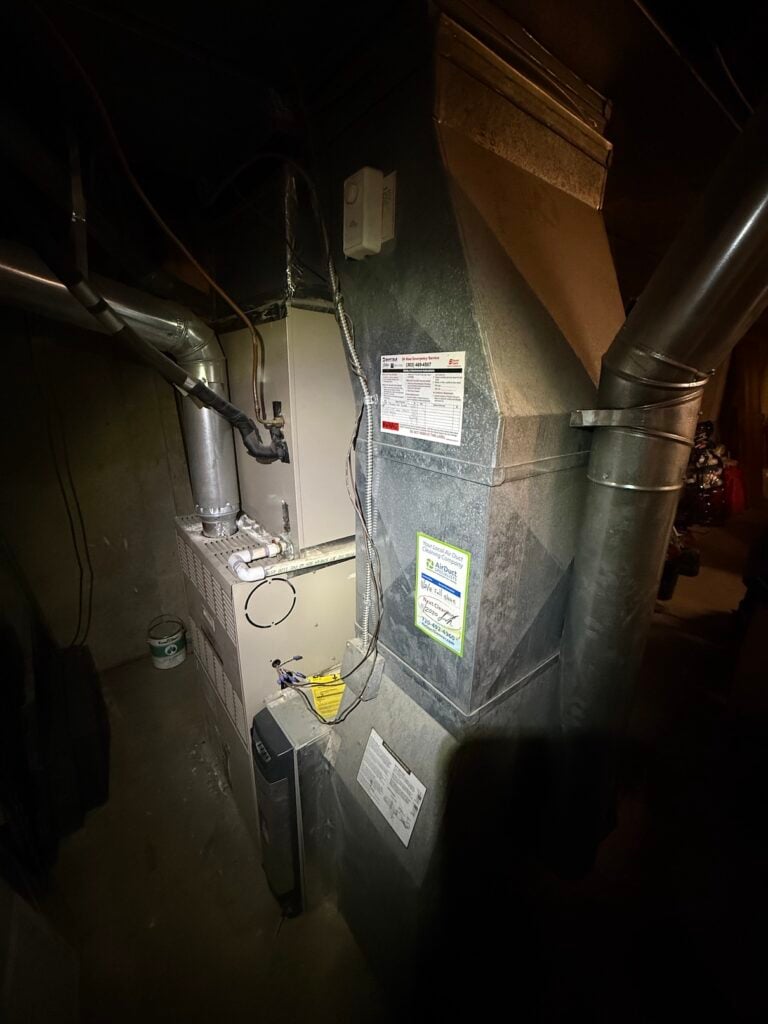
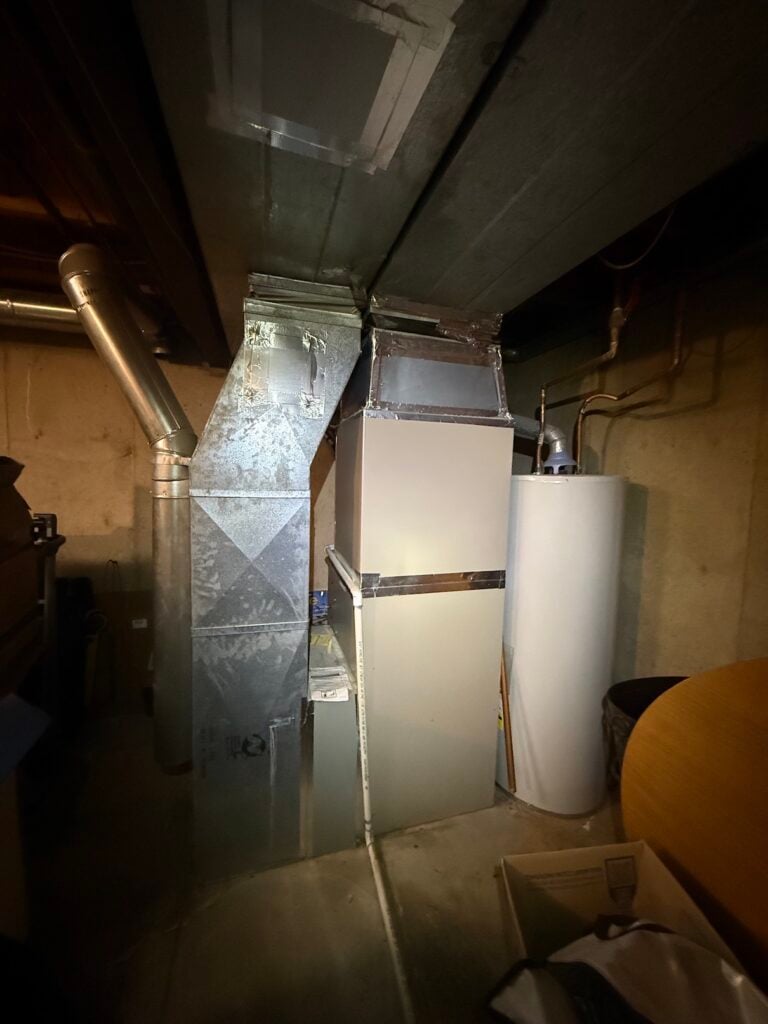
David’s Home (Before) Photos
A few shots of David’s home and situation before we installed
What Was The Install Like?
David was amazing to work with and super patient, because this was not a fast one or very straightforward. We had a few themes to tackle to ensure a successful heat pump installation, and so that he wasn’t left out in the cold (pun intended – corny I know).
First, David’s heat load was simply too high for a full electric system to keep up when its 4 degrees out in Denver. His home’s heat load requirements were more than his ductwork and a heat pump can deliver on its own. Fully electrified heat pumps max out (residential systems) at just under 5 tons (55,000~ BTU’s), and David’s home needed close to 80,000+.
Modifying Ductwork for Airflow With Cold Climate Heat Pumps
In short, his existing ductwork, even if we were to heavily modify it (which we do all the time), was not going to be big/open enough. In addition to a single heat pump not being big enough either, David’s home is a prime candidate for a cold climate heat pump + a backup / dual fuel furnace.
Furnaces can deliver a lot more heat per CFM (cubic feet per minute) than a heat pump. They are just different technologies and we design your home for both if needed.
We’re all for going full electric for sure! But sometimes it just won’t work for bigger homes with bigger heat load needs, and that’s OK. The cold climate heat pump will provide about 80% of the home’s heating through the year, and the backup 100,000 BTU furnace (accounting for altitude and derate) will pick up the heavy lifting when it’s about under 15F outside.
This is a well-balanced, best-of-both-worlds solution, and for these reasons and more is why it works. Much of the solution that arrived out was due to our extensive energy modeling, ductwork airflow testing, and more during our home visit as well.
Making Sure The Electrical Will Stay Safe and Up To Code
His electrical panel needed a thorough electrical load calculation to make sure we could fit the new electrified heat pump that uses a bit more power versus old furnace / A/C combos. The new cold climate heat pumps are usually larger than your old A/C systems because, while they still use refrigerant like your A/C, the system needs to be bigger to deliver more heat in our cold-weather climate of Colorado.
We worked with our master electrician to make sure we were doing everything by code and safely, and ran an electrical load calculation before installing anything. Everything checked out in the end, which included passing a separate electrical inspection just to make sure.
In the future if David wants to add more electrical devices to his home, it’s planned to use a load shedding device. You can get the most out of load shedding when attached to your home’s EV Charger, since the amp draw is quite a lot on those!
The Heat Pump Installation
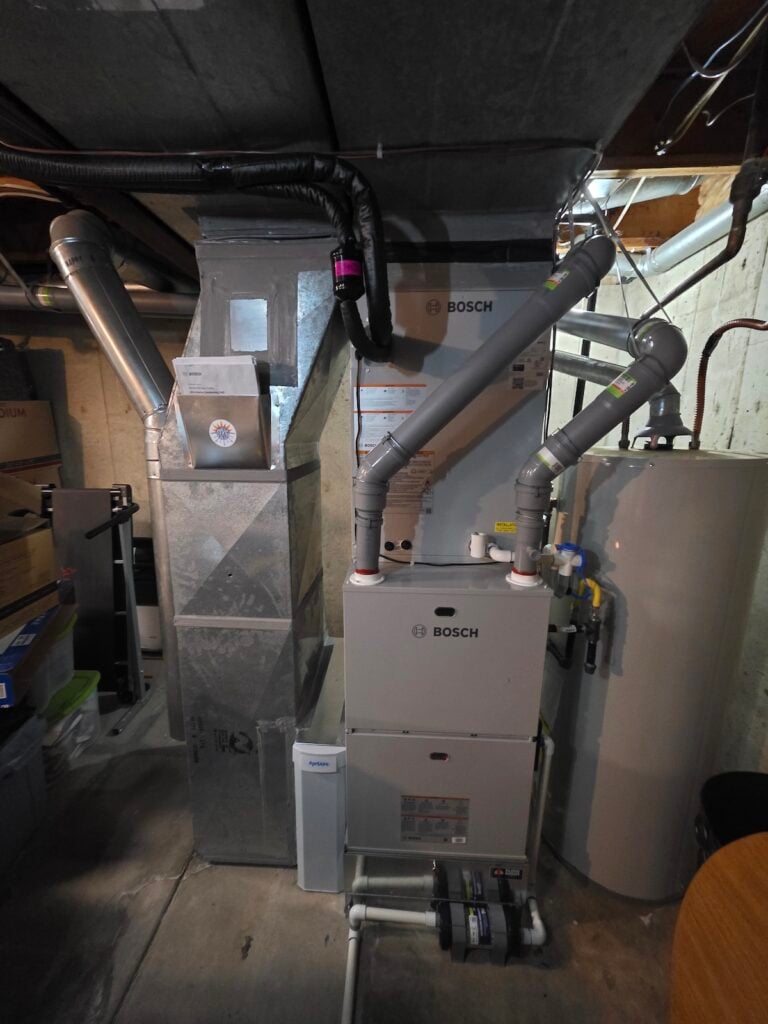
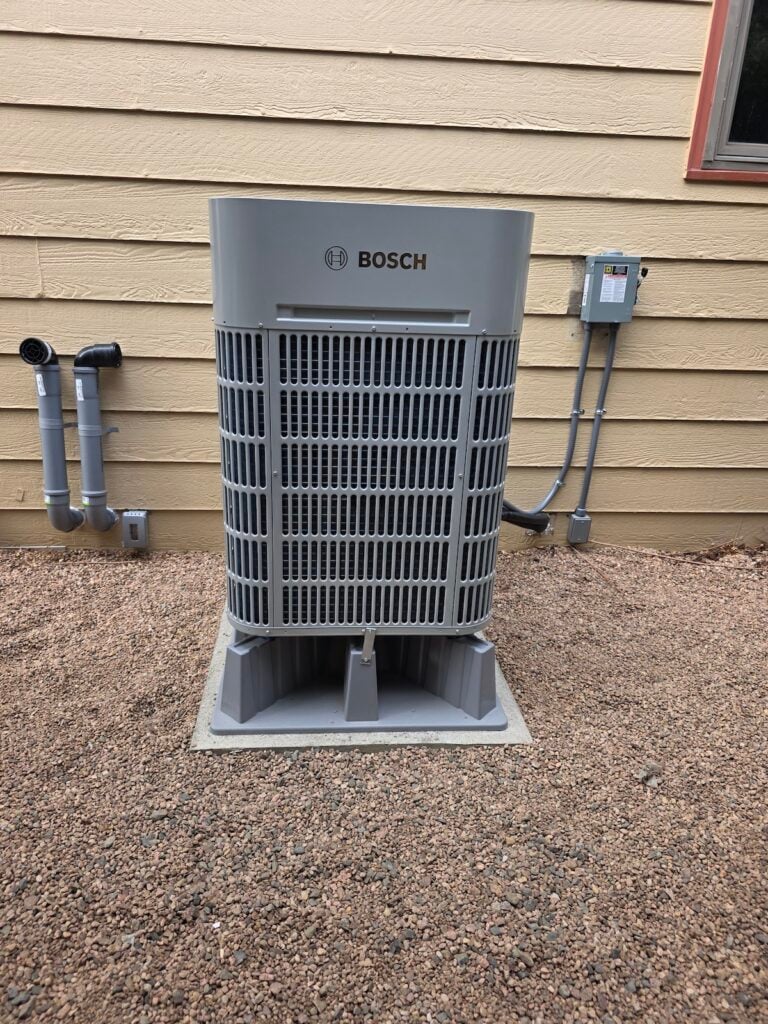
Our team engineered a smarter and simpler solution: a Bosch IDS Ultra dual fuel system. We fit the biggest heat pump coil his ductwork could handle, running electric as much as possible, with the furnace there to cover the rest.
David also cared a lot about something many other customers worry about: how long will the heat pump run if the power goes out? Something that may surprise you is that even a gas furnace needs electricity.
The blower fan that pushes warm air through your ductwork is electric. So if the power goes out, so does the heat, whether that is gas or a heat pump. With his battery backup, how long the heat pump would run just comes down to his equipment and how he uses his home, so we walked him through exactly what to expect.
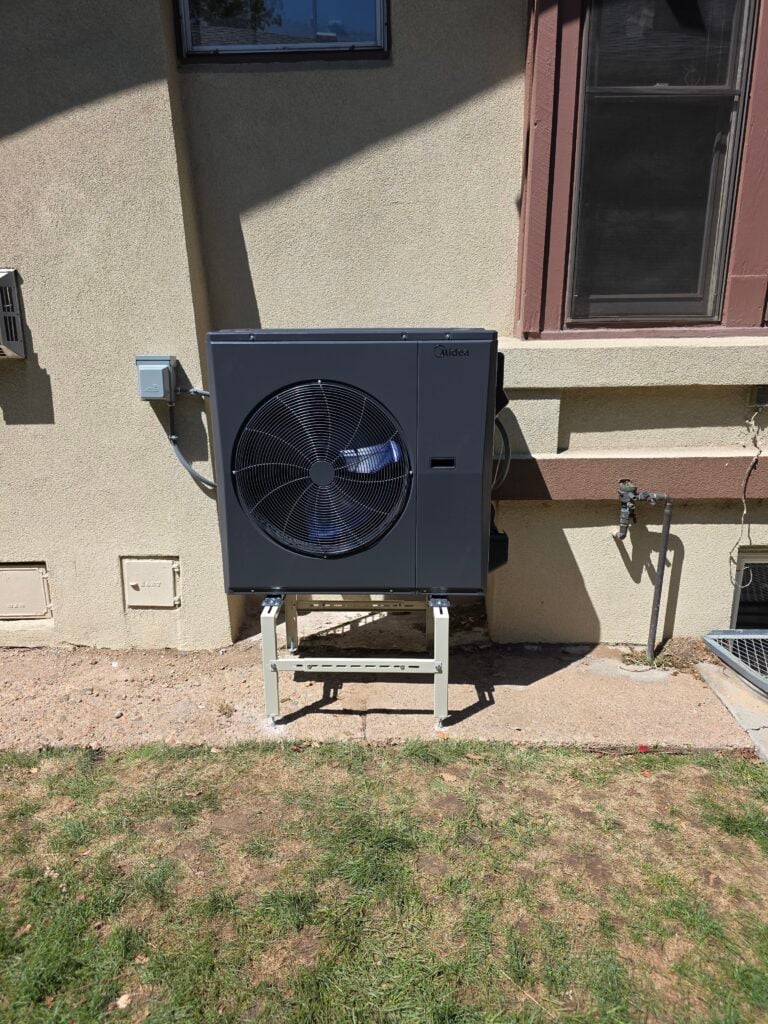
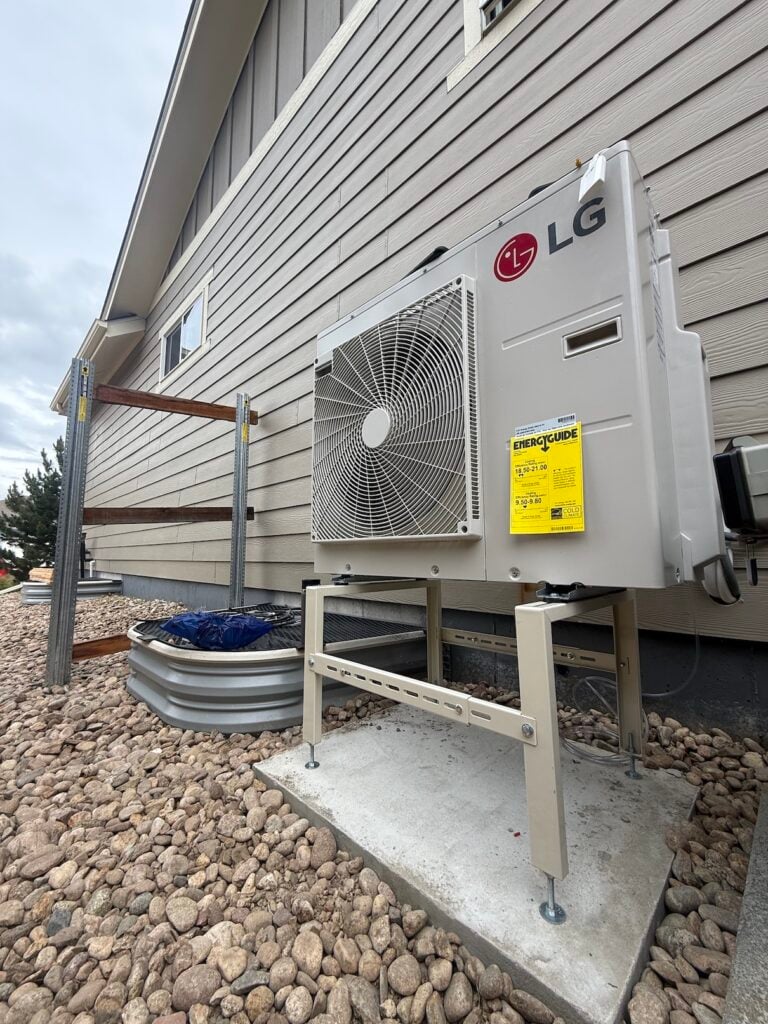
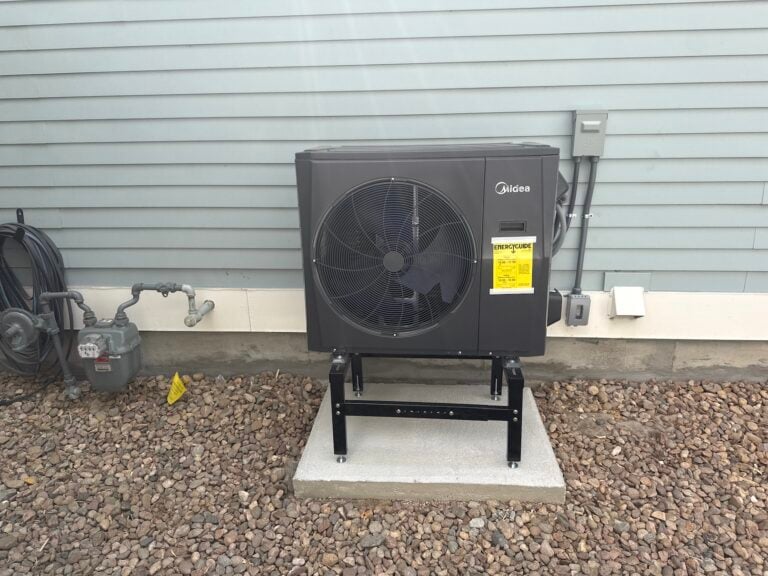
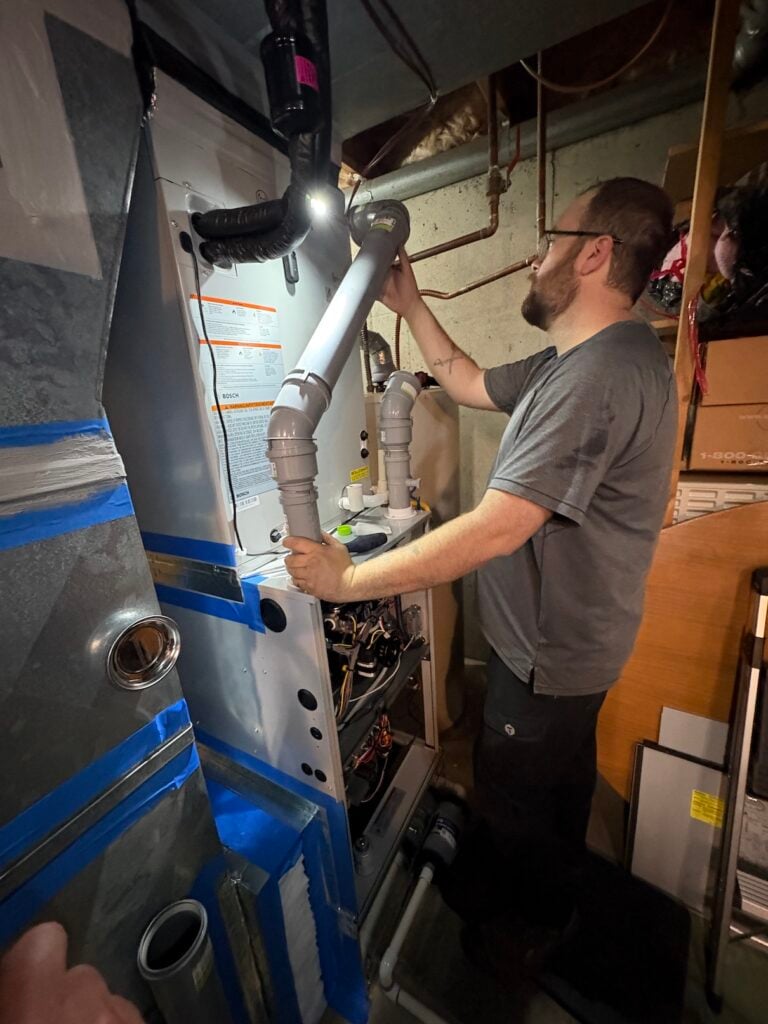
David’s (After) Install Photos
The gorgeous Quilt systems and indoor units
The Payoff
We were happy to help David get set up with a system that catered to his real constraints. He got maximum electric performance without pushing past his panel capacity.
He got the Xcel Energy Audit, moved forward with whole-home efficiency improvements, and was able to stack the Xcel bonus rebates plus the state tax credit on top.
David, in total, is receiving over $11,500 in local rebates all combined. We discount these on the invoice so that the homeowner doesn’t have to pay all this up front.
He helped set the city’s electricity rates and hired us to help him beat them. We definitely will take that as a compliment
If you want a system designed around the actual numbers of your home and not have to deal with a contractor that will just load whatever they have off the bed of a truck, we can help you do that. Book a discovery call here so we can get you on the right path.