Most homeowners who reach out to us start with a question about comfort or cost. Katie started from a completely different angle. Her family kept feeling sick whenever the gas boiler kicked on. That’s not something we expect or want any of our customers to ignore.
When the system you depend on all winter is the thing you are worried about, the idea of getting out of that house can be more tip of mind than you’d like it to be. It’s important for us to explain what happened, how we handled it, and what things look like today.
Working with Katie was something we were excited to do because she happened to also graduate from the Colorado School of Mines, where our own founder Xerxes got his PhD. This helped create a bit of trust within the process, because Katie recognized and respected Xerxes’ expertise.
The Fix
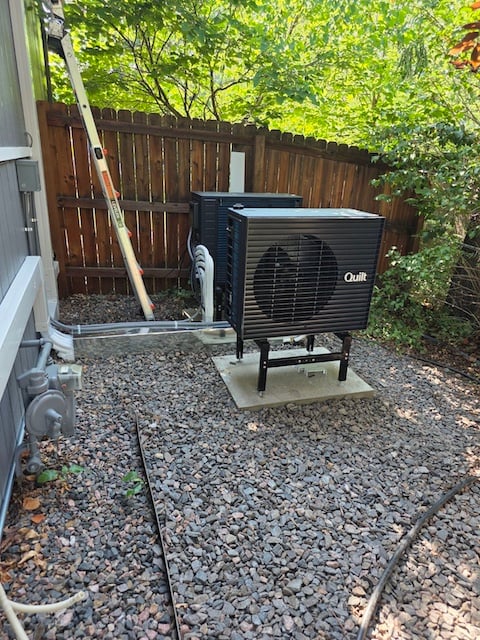
The 1,822 sq ft home, built around the mid 1970s was no small project. Katie’s goal was clear from the first time we spoke: get the gas combustion out of the house without giving up any heat on the coldest nights of the year. We knew exactly what we needed to set her up with. A Quilt system.
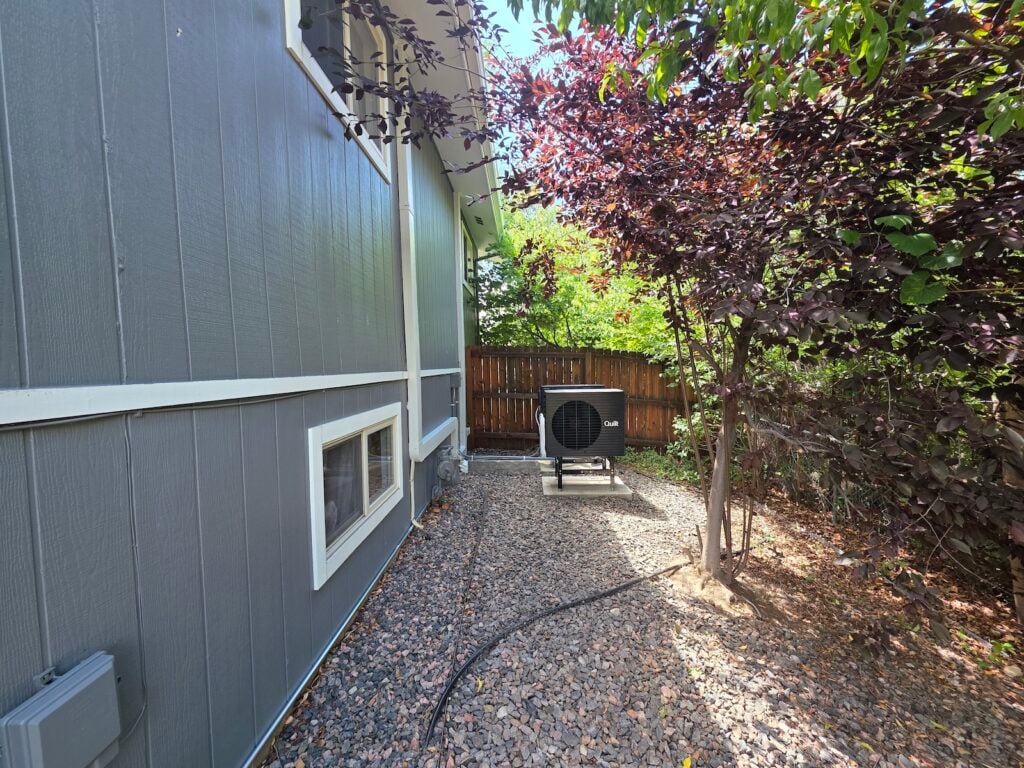
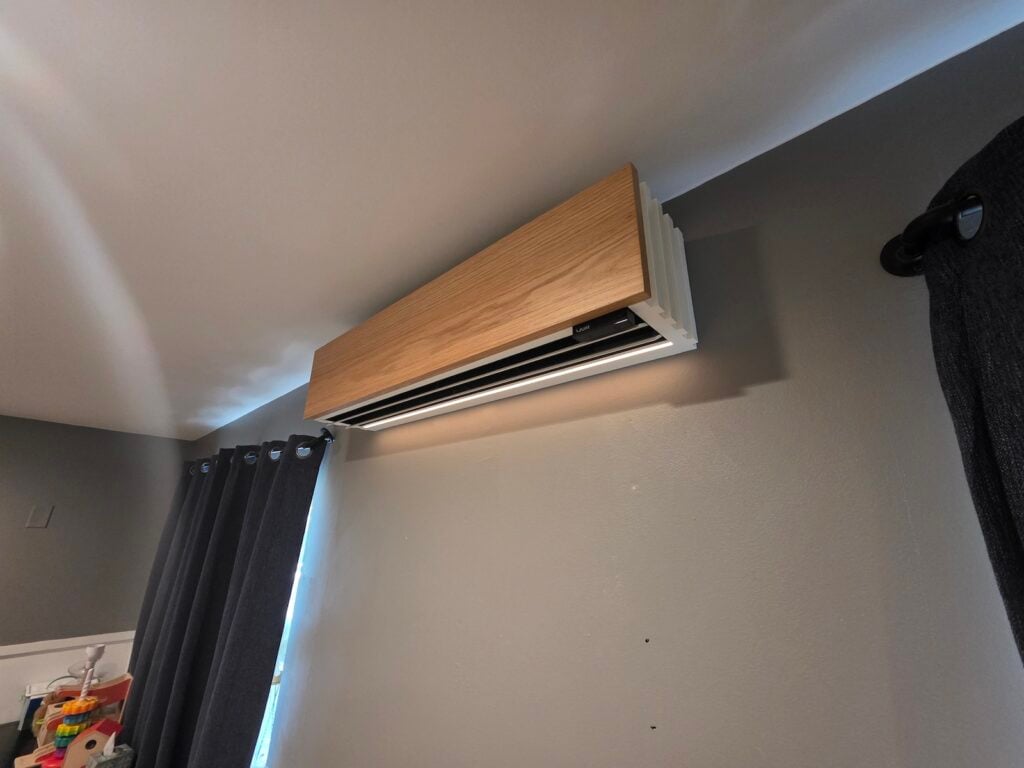
The Quilt heat pump systems are arguably some of the best cold-climate performance out there. Not only are the aesthetics of it very appealing to the eye, but we personally love the huge modulation range: how low AND how high it can ramp. Tom, one of our installers calls it “the cruise control range for your heat pump.” This simply means it’s more flexible for different spaces than other brands.
Even if Quilt is not the brand you decide to go with if you get a heat pump, all systems we install handle the Colorado winters with ease, so you can have the peace of mind knowing that you will stay warm throughout the entire winter, without a single BTU of it coming from combustion inside your home.
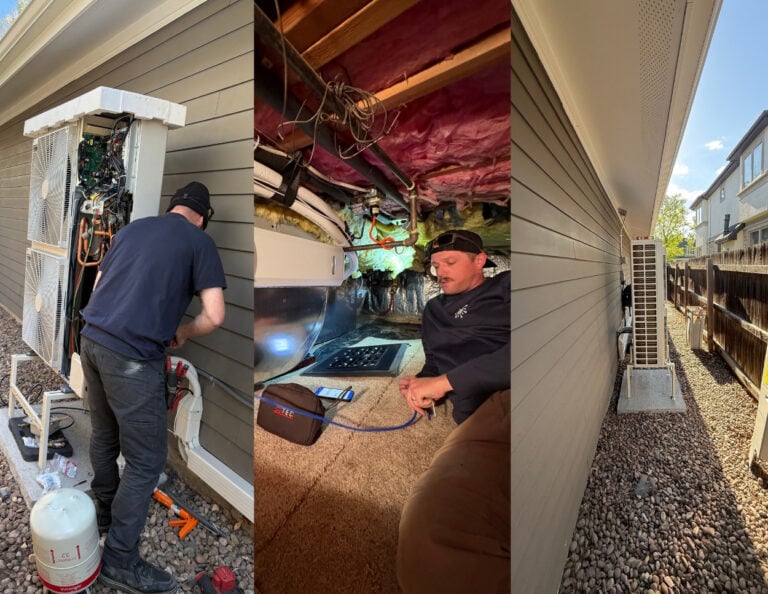
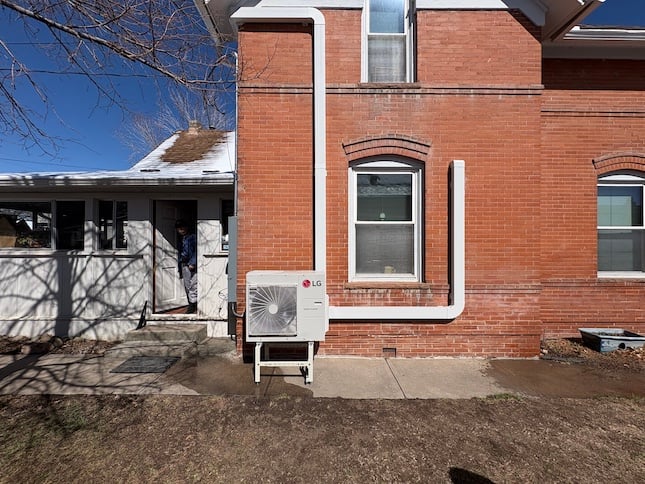
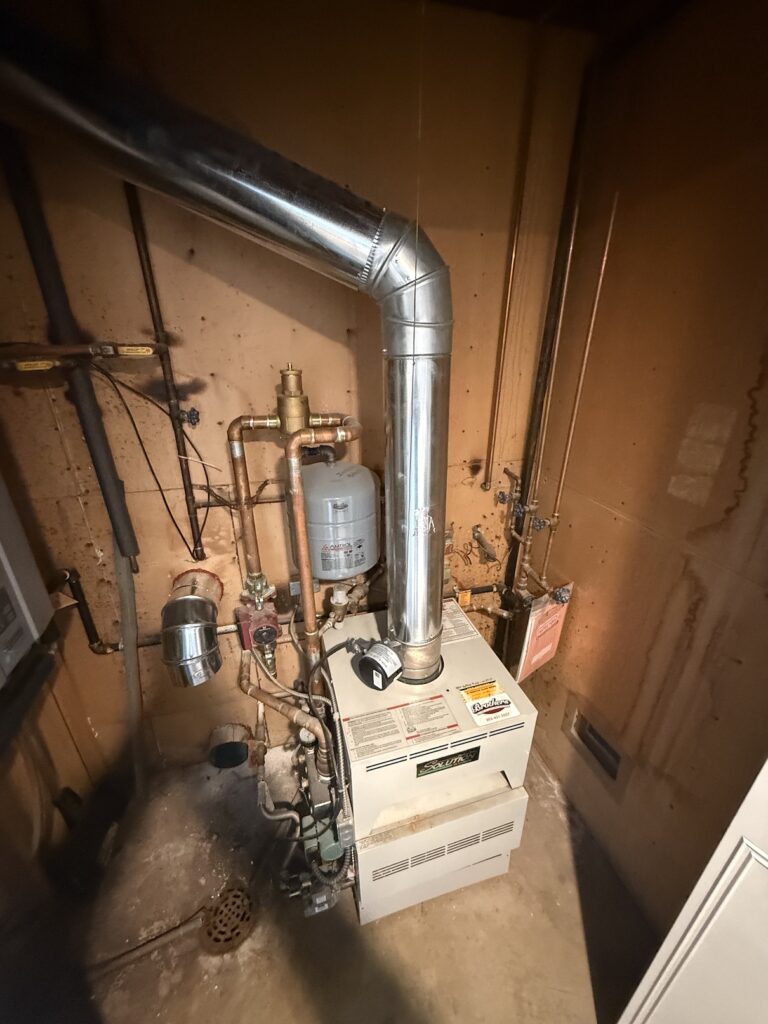
Katie’s Home (Before) Photos
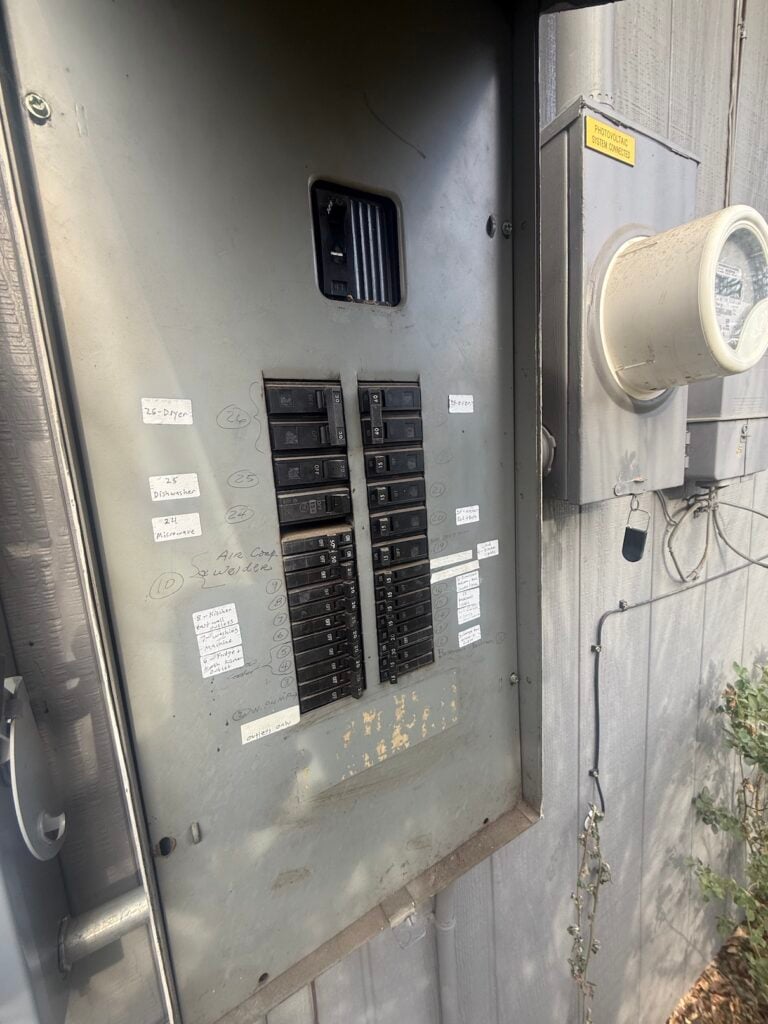
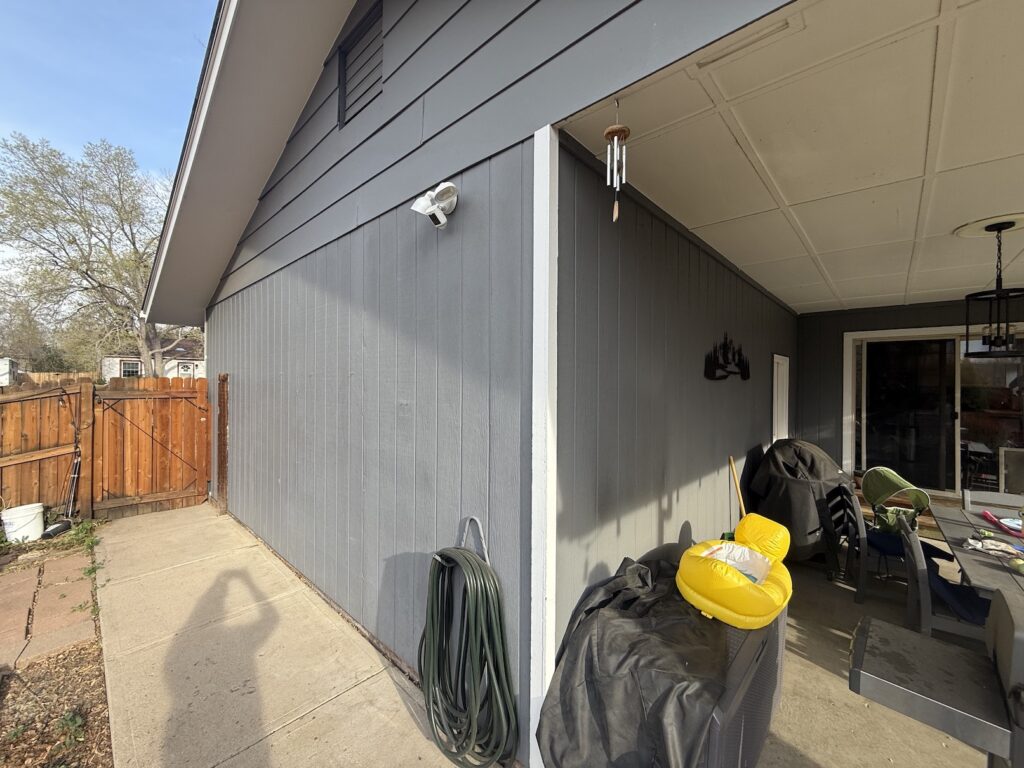
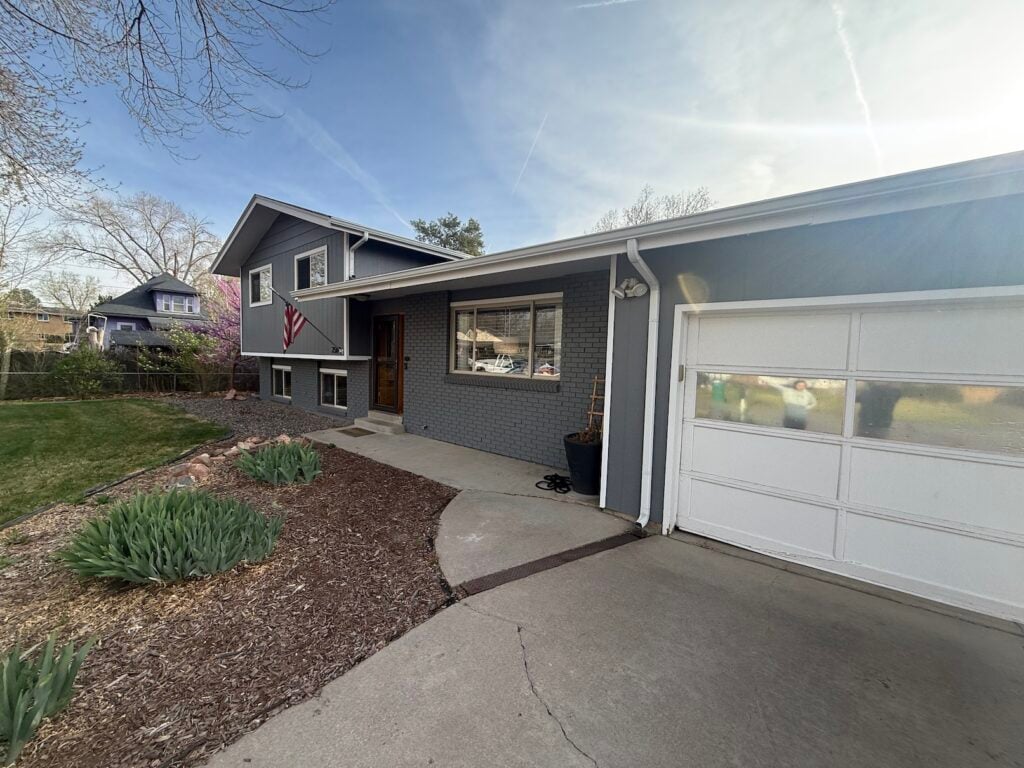
A few shots of Katies home and situation before we installed
What Was The Install Like?
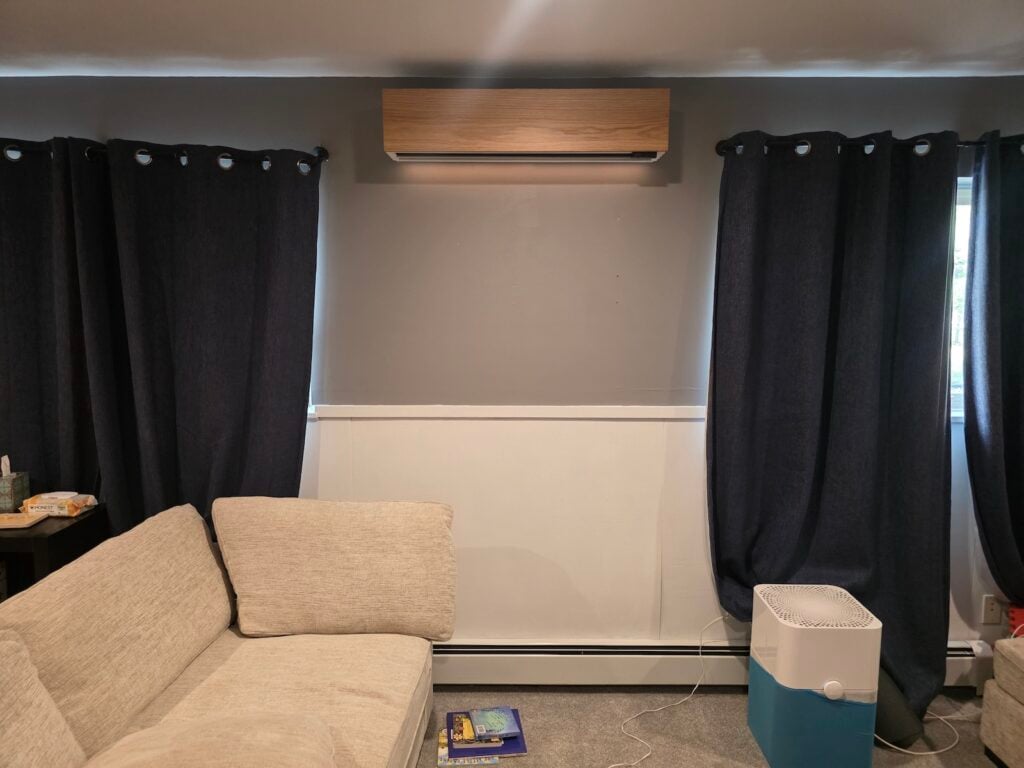
There were a few elements that were important for us to pay attention to during Katie’s install. First, she had no ductwork throughout the house, but had baseboard hot-water heat off the gas boiler. That baseboard loop is a big part of why the boiler ran as often as it did, and why her family noticed it often.
She also had no central cooling, so we knew when we finished setting up her system, her summer was going to be more comfortable than any summer she had in the past.
We walked her through our design process and how we integrate supplemental heating. Her supplemental heat source was a very large wood-burning stove in the basement, which was about double the size of an average one. Honestly, it could have heated the whole house with enough pine logs, but the heat pump makes it much more comfortable and consistent. Keeping her wood stove as backup gave her peace of mind about those really cold Denver nights.
The Quilt system is now the primary heat source for the home, and the gas boiler is still sitting in the basement. Katie plans to have it removed entirely, and that has been the goal from the very beginning. At the end of the day, we are not doctors and won’t be diagnosing anyone anytime soon, but when a family tells us they feel better with the gas appliance running less, we don’t take that lightly. Fully pulling the boiler means no combustion, no flue, and no gas line feeding a heating appliance in the house at all.
They also got a new electrical panel upgrade as well in order to fit the new heat pump circuits, with many more future plans to fully electrify their home.
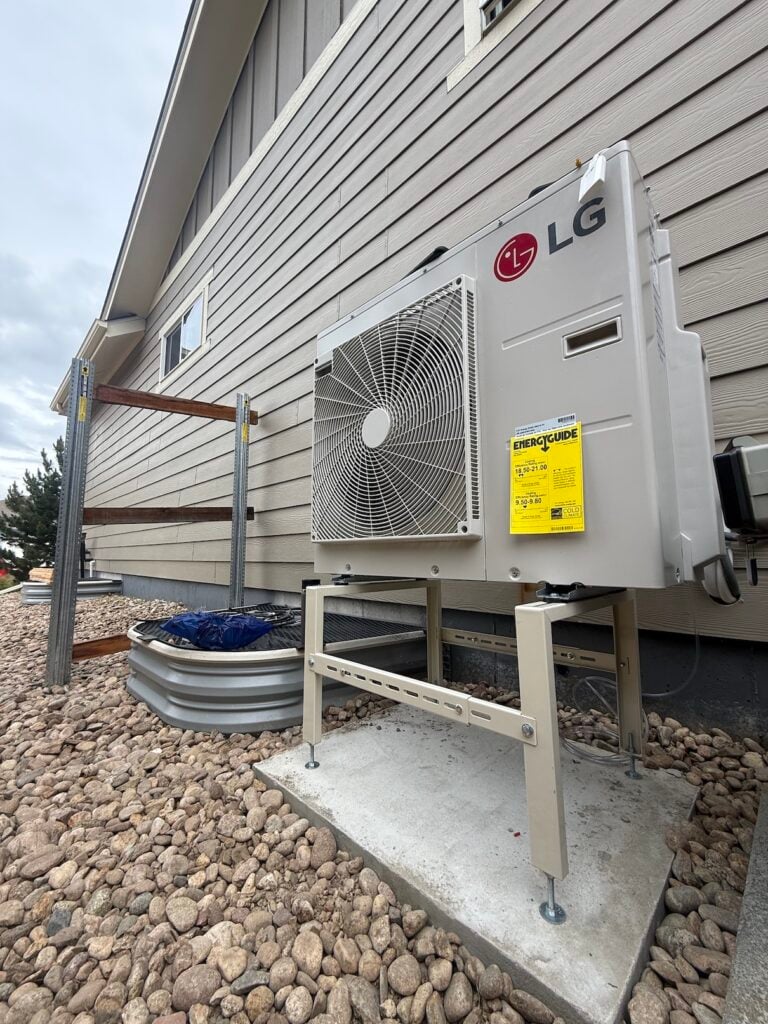
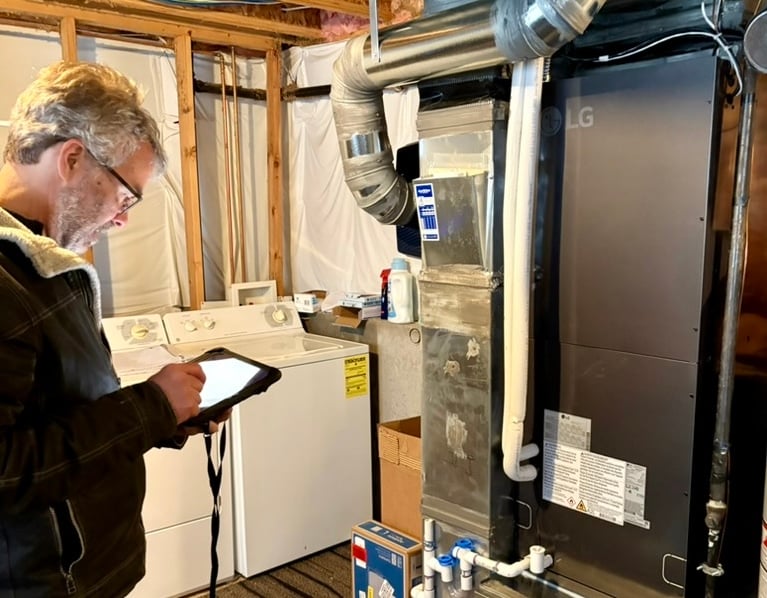
Katie’s (After) Install Photos
The gorgeous Quilt systems and indoor units
The Payoff
Sometimes when we are working with a customer, we find out something unfortunate that doesn’t allow us to help them maximize their rebates, but we still do what we can to work around it.
Katie did not get the Whole Home Efficiency rebate, because the work was done in the wrong order (this happened before we initially worked with her). She had insulation/weather stripping done first, then the audit. If you want to unlock the full WHE program, the audit needs to come first. This is why it’s so important to make sure you work with the right contractors.
Even still, we were still able to help Katie maximize the other rebates to make the project more manageable. Here is what it looked like:
Xcel Rebate: $11,250 (because we replaced the gas boiler as the primary heat source, she got the Xcel bonus rebates)
State tax credit: $1,000
A custom multi-system + School of Mines discount: $2,000
Even without the Whole Home Efficiency rebate, Katie still was able to save $14,250!
It’s important for us to mention that the Xcel bonus rebate was able to be applied precisely because a gas appliance came out as the primary heat source. The health outcome Katie was after and the largest rebate on this project both led in exactly the same direction.
Wrapping Up
Katie’s project started because a family wanted the gas combustion out of their home, and wanted to stay warm through a Colorado winter while doing it. Every home is different, but if the gas appliances in your house are something you have been quietly worrying about, that is a very important reason to look at a cold climate heat pump.
If you’ve been thinking about getting the gas out of your own home, we’d love to help you with every step of the process. Call or text (303) 525-HEAT, or reach out to us here.
Thanks so much for reading!